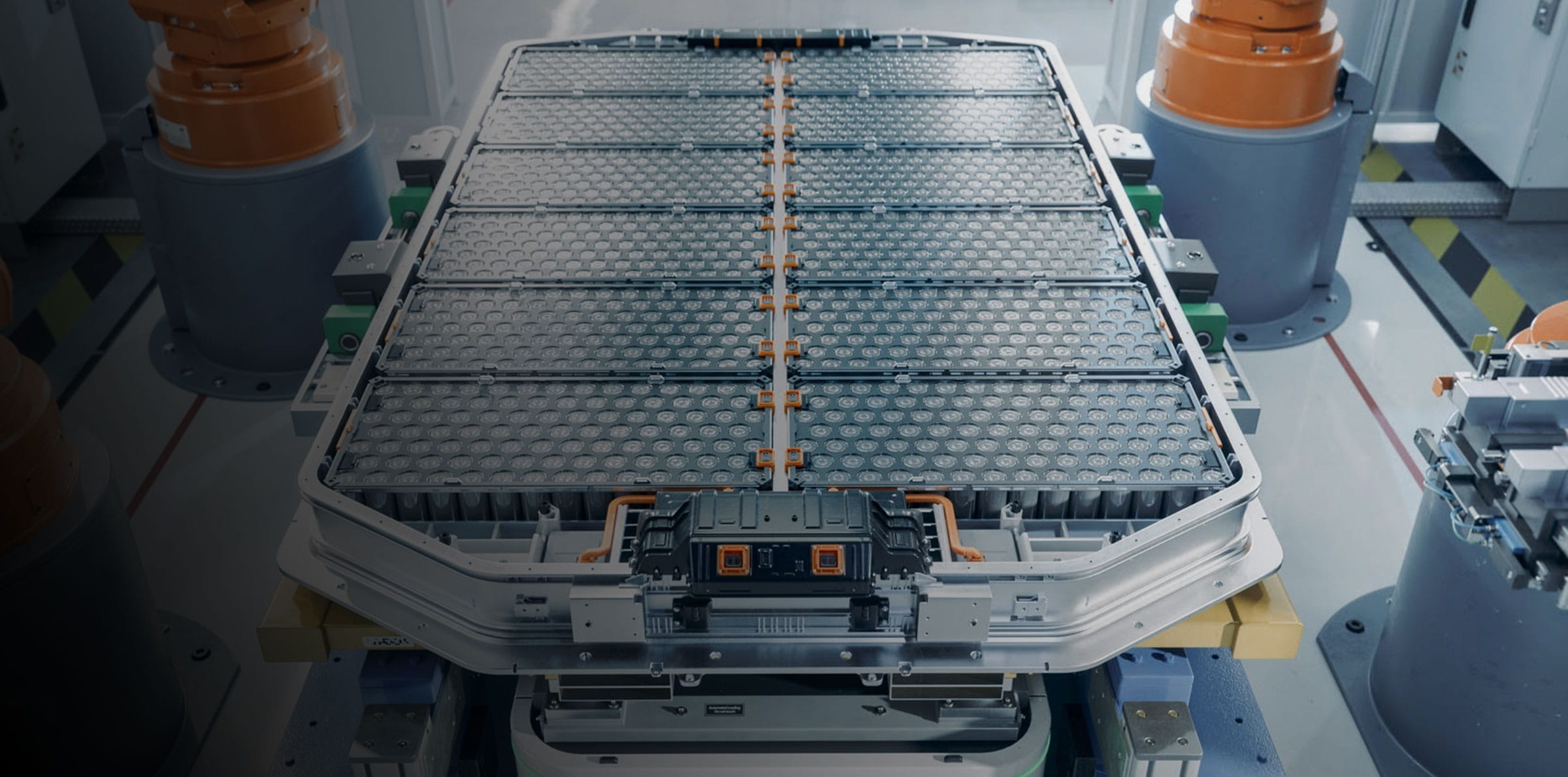
The storage of Green Energy is becoming increasingly important for todays and future generations, especially for e-mobility applications.
The challenge is to make electrical energy available whenever and wherever is it needed. Efficient, reliable and safe storage systems are needed for this purpose.
Today’s batteries consist mostly of stacks of Li-Ion cells. Since lithium is a highly reactive element, charging and discharging batteries can result in overheating of a cell which might cause an explosion. To avoid injuries as the result of such an explosion, there are two possible options:
- Use an explosion proof casing
- Use a valve which releases pressure from the casing
The first option increases weight and costs for the battery system, which is not preferred in the battery industry, while ARSD (Auto Reversible Safety Device), ARVSD (Auto Reversible Ventilation Safety Device) & VSD-AR (Ventilation Safety Device with Reversible Function) are aimed at the second options, mutually improving economy and safety.
The products developed by Bimed meet protection classes IP66, IP67, IP68 and IP69K, while optimising the lifetime of Li-ion batteries and providing safety in case of an explosion.
These devices can be used in electric vehicles, electric trains and stationary batteries for energy storage in renewable energy systems.
Thermal Build-Up Inside Sealed Battery Systems
Lithium battery systems generate heat during both charging and discharge cycles.
When these systems are installed inside sealed housings, the enclosure must balance two competing requirements:
- ingress protection against dust and moisture
- controlled airflow for thermal management
Without adequate ventilation, several effects can occur:
- rising internal temperatures
- accelerated cell ageing
- reduced performance due to BMS intervention
Even relatively small temperature increases can shorten battery lifetime and reduce system efficiency.
Pressure and Gas Management During Fault Events
Under abnormal conditions such as cell failure or thermal runaway, lithium cells may release gas.
Battery enclosures therefore need to manage:
- internal pressure increases
- controlled gas release
- preservation of enclosure integrity
Ventilation safety devices allow pressure and gas to escape while maintaining enclosure sealing and environmental protection.
Some designs also automatically reseal once pressure conditions normalise, helping maintain IP protection after activation.
Real-World Design Constraints
Battery systems used in electrified equipment often operate in demanding environments.
Engineers must typically balance several constraints simultaneously:
- vibration from mobile platforms
- limited installation space
- high current loads generating heat
- environmental sealing requirements
These conditions are common in applications such as:
- electrified industrial vehicles
- energy storage systems
- specialist mobile equipment
Which makes ventilation strategy an important element of enclosure design.
Supporting Reliable Battery Systems
Effective battery pack design considers not only the cells and electronics, but also the environment in which they operate.
Engineers typically evaluate:
- airflow paths within the enclosure
- pressure release capability
- environmental sealing levels
- long-term vibration resistance
Small components such as ventilation safety devices can play an important role in maintaining both battery reliability and enclosure protection.
How LUCID can support your design – get in touch
Bimed has a fantastic range of specifically designed solutions. We help engineers to select the right product and confirm suitability. Sometimes addressing a small enclosure detail early in the design stage prevents much larger reliability challenges later.

Venting & auto burst plugs
Battery ventilation components made with Glass Fiber reinforced Nylon (PA66) and a stainless steel inner. Designed to prevent a dangerous build up of gasses within the battery reducing the risk of explosion, fire and damage.